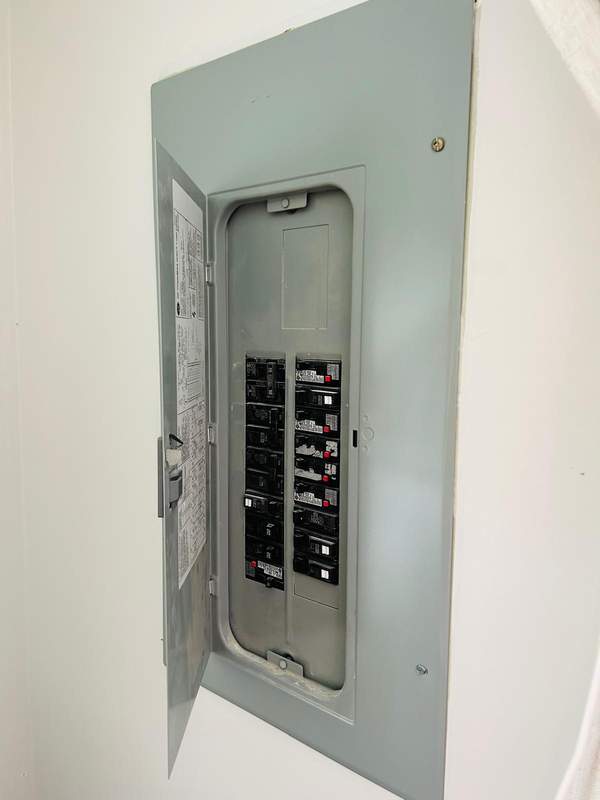
Electrical safety is a critical aspect of homeownership that is often overlooked, yet it plays a crucial role in maintaining a safe and secure living environment. Understanding and implementing key electrical safety measures can prevent hazards such as electrical fires, shocks, and equipment damage. This topic holds significant importance for homeowners and potential buyers, as it ensures the protection of both occupants and property.
Understanding Electrical Circuit Overload
One of the primary concerns in any home is the potential for electrical circuit overloads. These occur when more current flows through a circuit than it can handle, leading to overheating and possibly fires. Homeowners should be aware of the load capacity of their electrical circuits, typically measured in amperes (amps). Standard household circuits in North America are often rated at either 15 or 20 amps.
- Ensure that power-hungry appliances are not plugged into the same circuit. For example, avoid using a hairdryer and a microwave on the same circuit simultaneously.
- Consider installing dedicated circuits for high-power appliances, such as refrigerators and air conditioners.
- Use power strips with built-in circuit breakers to add an extra layer of protection.
Inspecting Electrical Wiring and Outlets
Regular inspection of electrical wiring and outlets is essential to identify potential hazards. Faulty wiring is a common issue discovered during home inspections, often due to aging, wear, or improper installation. Homeowners should look for signs of damage or wear, including:
- Frayed or exposed wires
- Discoloration or scorch marks around outlets
- Loose outlets or switches
Engaging a qualified electrician for a thorough inspection can prevent minor issues from becoming major problems. Additionally, regular inspections can ensure compliance with local electrical codes and standards, which vary by region.
Implementing Ground Fault Circuit Interrupters (GFCIs)
Ground Fault Circuit Interrupters (GFCIs) are crucial in preventing electrical shocks in areas prone to moisture, such as kitchens, bathrooms, and outdoor spaces. GFCIs are designed to quickly cut off power if an imbalance in electrical current is detected.
- Test GFCI outlets regularly using the built-in test button to ensure they function correctly.
- Replace standard outlets with GFCI outlets in high-risk areas.
- Ensure GFCIs are installed according to local electrical codes.
In summary, maintaining electrical safety in the home is vital for preventing accidents and ensuring a secure living environment. Regular inspections, understanding circuit capacities, and implementing safety devices like GFCIs are practical steps homeowners can take. For comprehensive evaluations and peace of mind, engaging professional home inspection services is recommended.